LILYGO® T-Panel S3 Lite ~
Warning
This is not the full T-Panel S3 (lilygo-t-panel). The Lite has no CST3240 touch, no XL9535 expander, no ESP32-H2, and no 7–24 V barrel jack. Do not flash the lilygo-t-panel firmware.
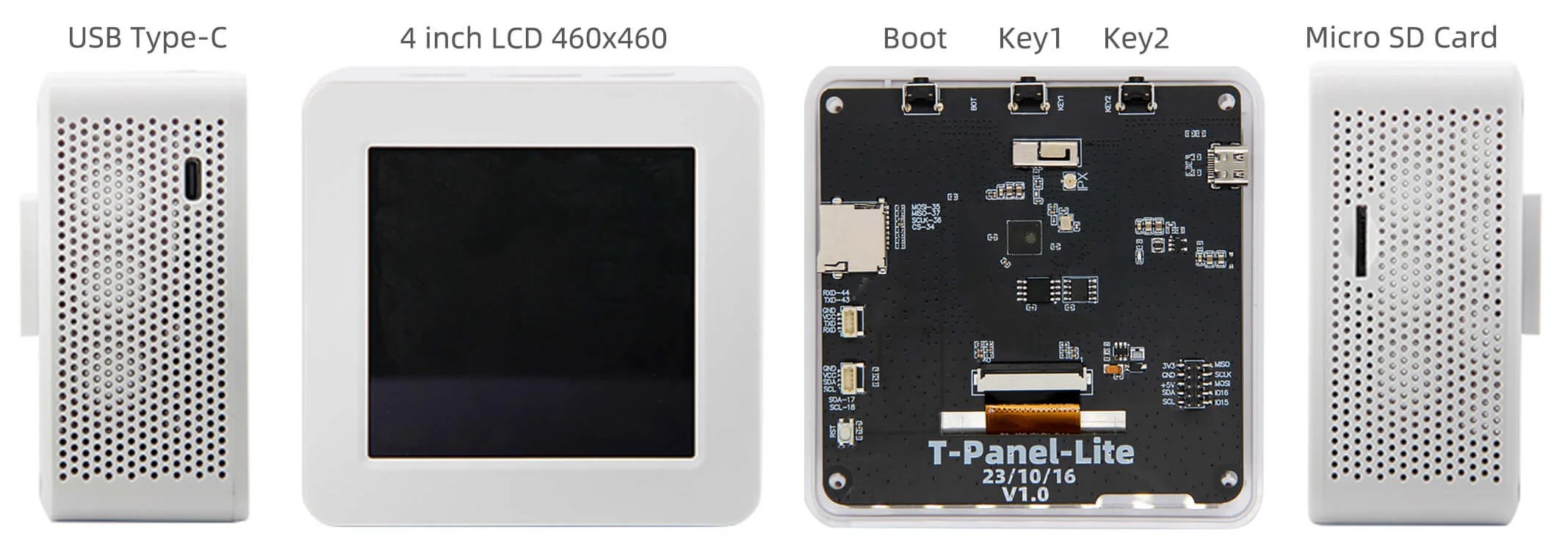
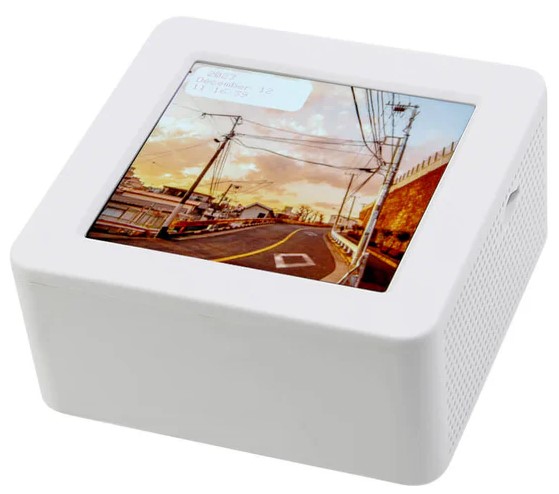
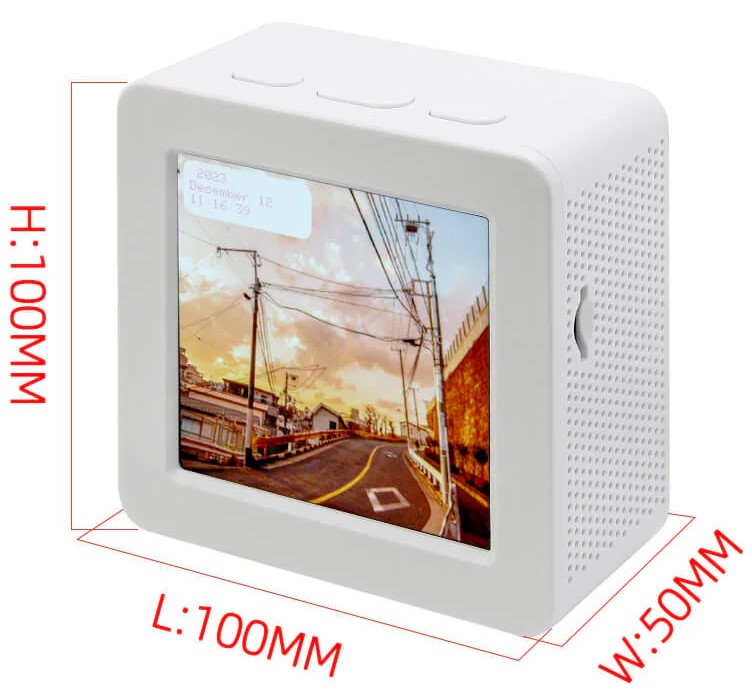
4" 480×480 IPS panel (ST7701S, SPI init + RGB) on an ESP32-S3. Display-only: use MQTT/pages.jsonl for the UI and the three hardware buttons for input.
| Pros | Cons |
|---|---|
| 16 MB flash, 8 MB Quad PSRAM | No touchscreen |
| Square 480×480 IPS | 5 V USB-C only (no barrel jack) |
| Three hardware buttons | Rounded bezel clips the LCD corners |
Features~
- ESP32-S3, 16 MB flash, 8 MB Quad SPI PSRAM (
qio_qspi— not Octal /N16R8) - 4.0" 480×480 ST7701S (YDP395BT001), 9-bit SPI init on ESP32 GPIOs (no XL9535)
- No CST3240 touch
- Backlight GPIO 33 (LilyGO source). The wiki listing GPIO 14 is wrong (that pin is SPI CS)
- MicroSD (SPI)
- KEY1 GPIO 48, KEY2 GPIO 47, BOOT GPIO 0 (openHASP defaults:
BUTTON_TYPE,INTERNAL_PULLUP) - Power: 5 V USB-C only
Firmware~
Environment: lilygo-t-panel-s3-lite / lilygo-t-panel-s3-lite_16MB.
ARDUINO_USB_CDC_ON_BOOT is 0. If it is 1, the plate waits for a USB host and will not boot from a USB power brick. ARDUINO_USB_MODE=1 stays on so USB JTAG flashing still works.
The chip enumerates as Espressif USB JTAG (303A:1001). Fast RTS reset often drops the port. Use:
esptool.py --chip esp32s3 --port /dev/cu.usbmodem1101 --baud 115200 \
  --before usb_reset --after hard_reset write_flash --flash_mode keep --flash_size keep \
  0x0 lilygo-t-panel-s3-lite_full_16MB.bin
App-only update (keeps NVS / WiFi / MQTT): flash firmware.bin at 0x10000 with the same --before usb_reset.
Binaries: GitHub Actions lilygo-ttgo artifact, or compile with PlatformIO.
Home Assistant~
No touch: bind properties only in openhasp: objects. Do not use event: on page widgets for taps.
GPIO buttons appear as MQTT events, e.g. hasp/<node>/state/input47 ({"event":"up"} on a short click). Drive page changes from automations:
triggers:
  - trigger: mqtt
    options:
      topic: hasp/tpanel/state/input47   # KEY2
conditions:
  - condition: template
    value_template: "{{ trigger.payload_json.event == 'up' }}"
actions:
  - action: openhasp.next_page
    target:
      entity_id: openhasp.tpanel
KEY1 is input48 / openhasp.prev_page. Leave BOOT (GPIO 0) for download mode.
Keep page content ~24 px off the rounded corners; the panel itself is a square 480×480.
Pins~
From LilyGO t_panel_config.h:
| Signal | GPIO |
|---|---|
| SPI CS / SCLK / MOSI | 14 / 36 / 35 |
| DE / HSYNC / VSYNC / PCLK | 38 / 39 / 40 / 41 |
| B0–B4 | 1–5 |
| G0–G5 | 6–11 |
| R0–R4 | 12, 13, 42, 46, 45 |
| Backlight | 33 |
| SD CS / SCLK / MOSI / MISO | 34 / 36 / 35 / 37 |
| KEY1 / KEY2 / BOOT | 48 / 47 / 0 |
RGB: 6 MHz DE mode. Arduino_GFX 1.4.7 polarity 1 (idle-high).